 Skip to content
Ch11.3. Ingenio Acana
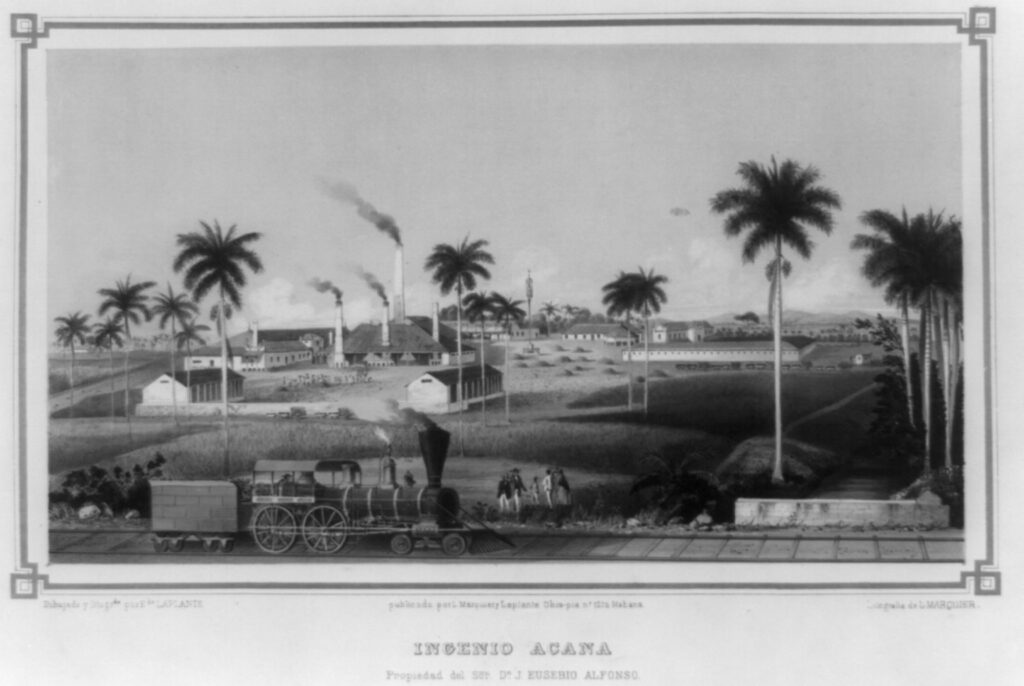
back to images & maps Ingenio Acana The Cuban sugar revolution was unparalleled anywhere in the world. Here one can clearly see the combination of steam technology to the production of sugar, the train in the foreground and the smokestacks in the background. Decidedly absent in this illustration are the enslaved people that made sugar […]
Ch11.2. Quarry Hill (Quarry Bank Mill) Factory
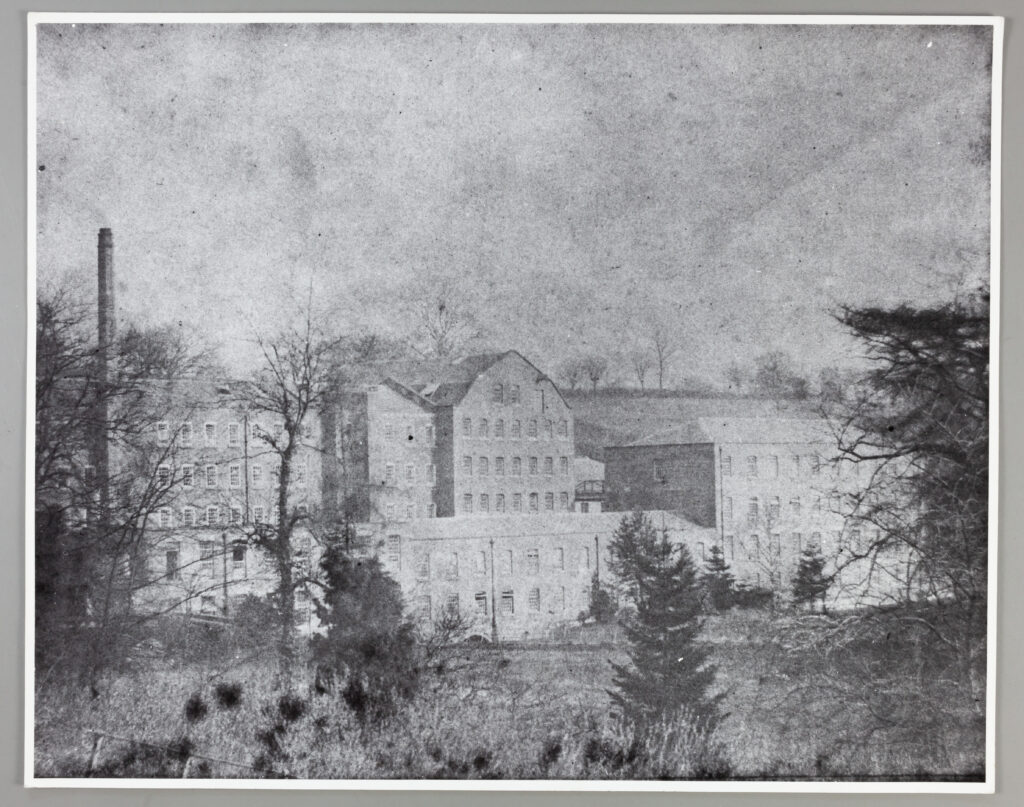
back to images & maps Ch11.2. Quarry Hill (Quarry Bank Mill) Factory Quarry Hill (Quarry Bank Mill) Factory. One of England’s largest factories, Quarry Hill was devoted to the mass production of cloth. Like many textile mills, the factory originally ran using water and only later transitioned to coal. And like many factories, Quarry Hill […]
Ch11.1 Denbigh Plantation
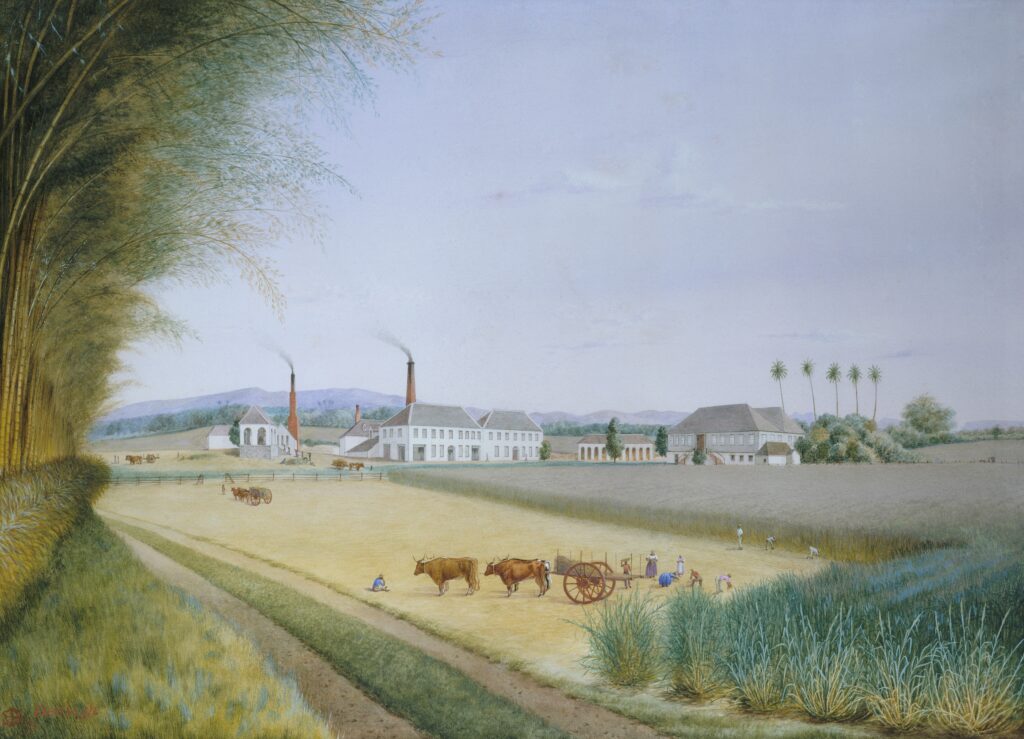
back to images & maps Ch11.1 Denbigh Plantation Ch11.1 Denbigh Plantation, Jamaica, artist unknown. By permission of Richard Douglas Pennant. In this painting, enslaved people are harvesting sugar cane and carting it to the boiling room. The bucolic scene belies the extraordinary brutality of slavery. Not only were enslaved people beaten, raped, and tortured, the […]